
Should you move to one of Charleston’s Sea Islands?
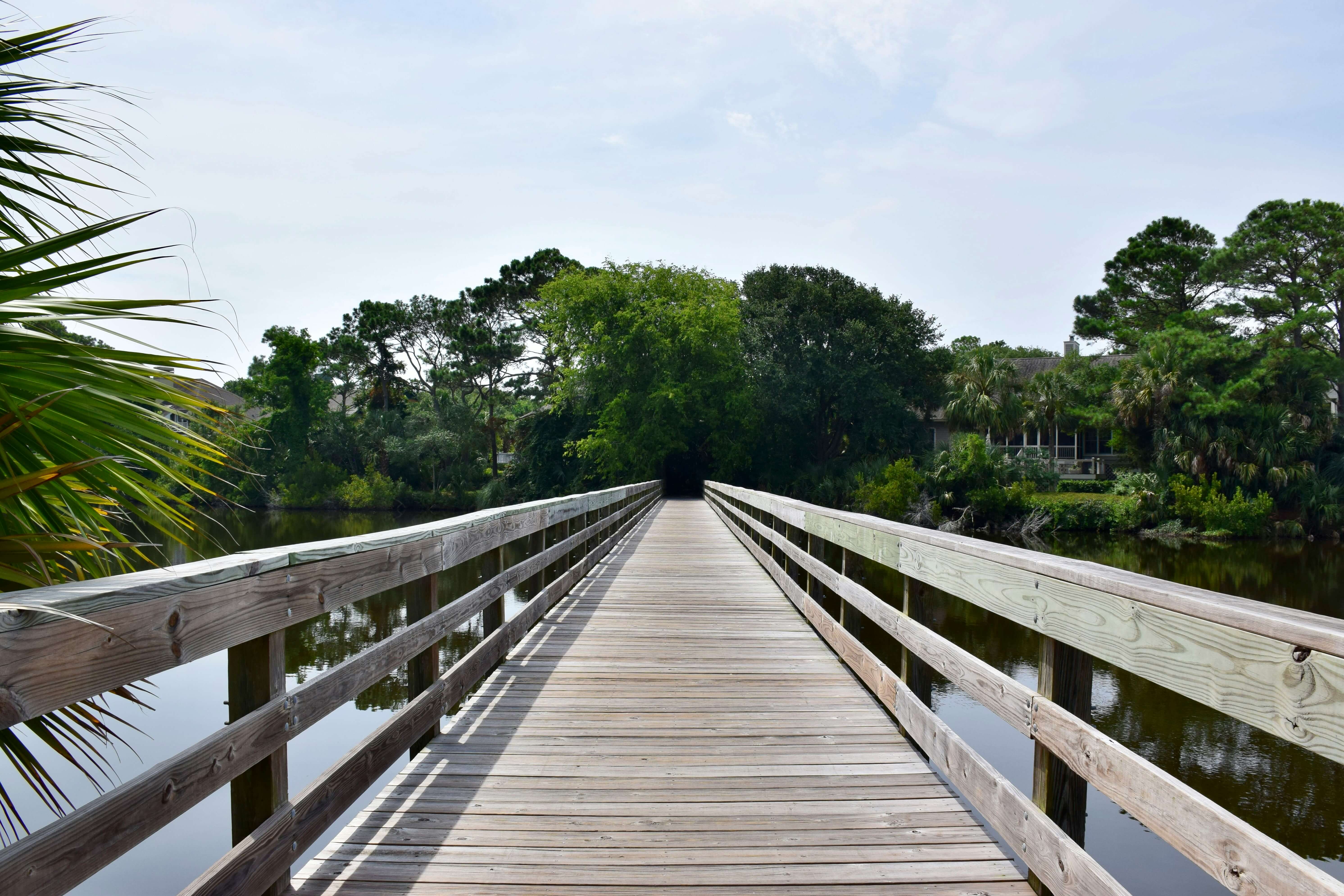
Charleston is a city surrounded by islands that have long drawn people who want more than just a coastal address. They want space, privacy, access to the water, and a slower rhythm that still keeps them connected to the city. You’ll find all of the above when building a custom home in Charleston’s Sea Islands.
Stretching along the South Carolina coast just outside downtown Charleston, these barrier and marsh-lined islands offer some of the most desirable homesites in the Southeast. Each has its own personality. Each comes with its own considerations. And if you are thinking about building here, you’ll likely want to explore what several have to offer to find the right area for your vision and goals.
We’ve been building across Charleston’s Sea Islands for more than 25 years, and have gotten to experience firsthand how each of these areas have grown and developed. If you’re new to the Charleston area or are exploring from out-of-town and want to take full advantage of Low Country living, consider these spots.
Johns Island
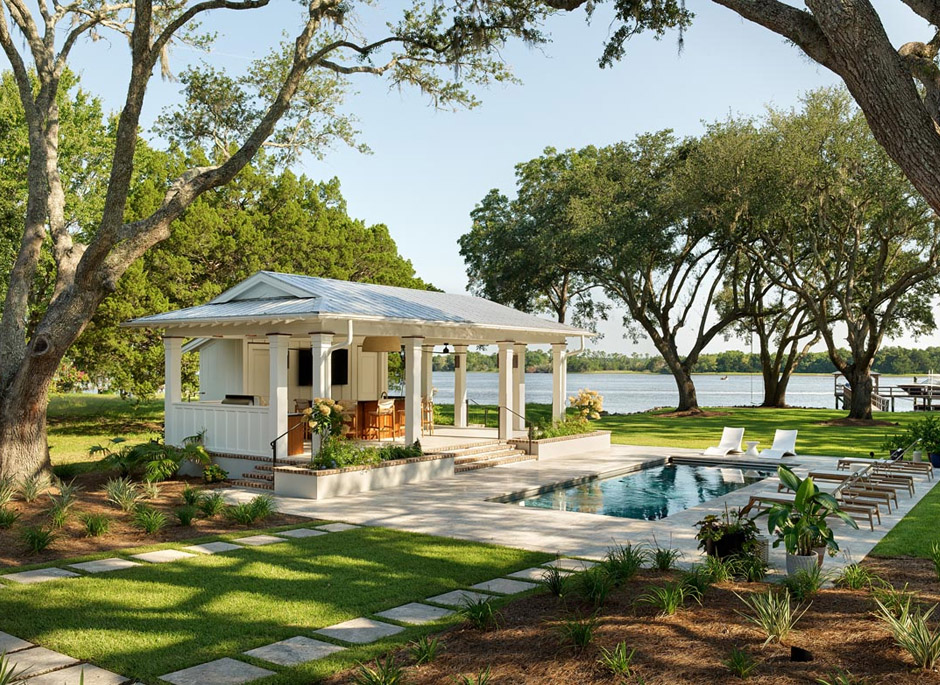
Johns Island is the largest of Charleston’s Sea Islands and one of the fastest growing. It offers a mix of deepwater properties, golf communities, equestrian land, and established neighborhoods. The appeal here is flexibility. You can find riverfront homesites along Bohicket Creek, quiet acreage beneath live oaks, or planned communities with amenities.
Johns Island is also home to Kiawah River, one of the premier communities in the Low Country. This meticulously designed waterfront village features 2,000 acres of preserved maritime forest, woven together with walking trails, working farms, and a rich network of community spaces. It truly is a one-of-a-kind location that balances nature preservation with high standards for quality and design, and one of our favorite spots in the Charleston area.
For many families, Johns Island strikes the balance between convenience and breathing room. You are close to downtown Charleston, Kiawah, and Seabrook, but you still feel removed from the pace of the peninsula.
From a building perspective, lot size, access to utilities, and tree protection requirements all play a role. Many properties require thoughtful site planning to preserve grand oaks while maximizing marsh or river views, which you’ll certainly want to do.
Kiawah Island

Kiawah Island is known for privacy and polish. With controlled access, strict architectural review, and world-class amenities, it offers a curated coastal experience. The island is home to The Ocean Course and multiple private clubs, and it is defined by maritime forest, lagoons, and wide stretches of beach.
Building on Kiawah requires navigating detailed design guidelines. Materials, rooflines, setbacks, and landscaping are all carefully reviewed. While that adds complexity, it also protects long-term value and aesthetic consistency.
For homeowners seeking a refined, resort-style setting with strong long-term investment potential, Kiawah continues to set the standard.
Seabrook Island
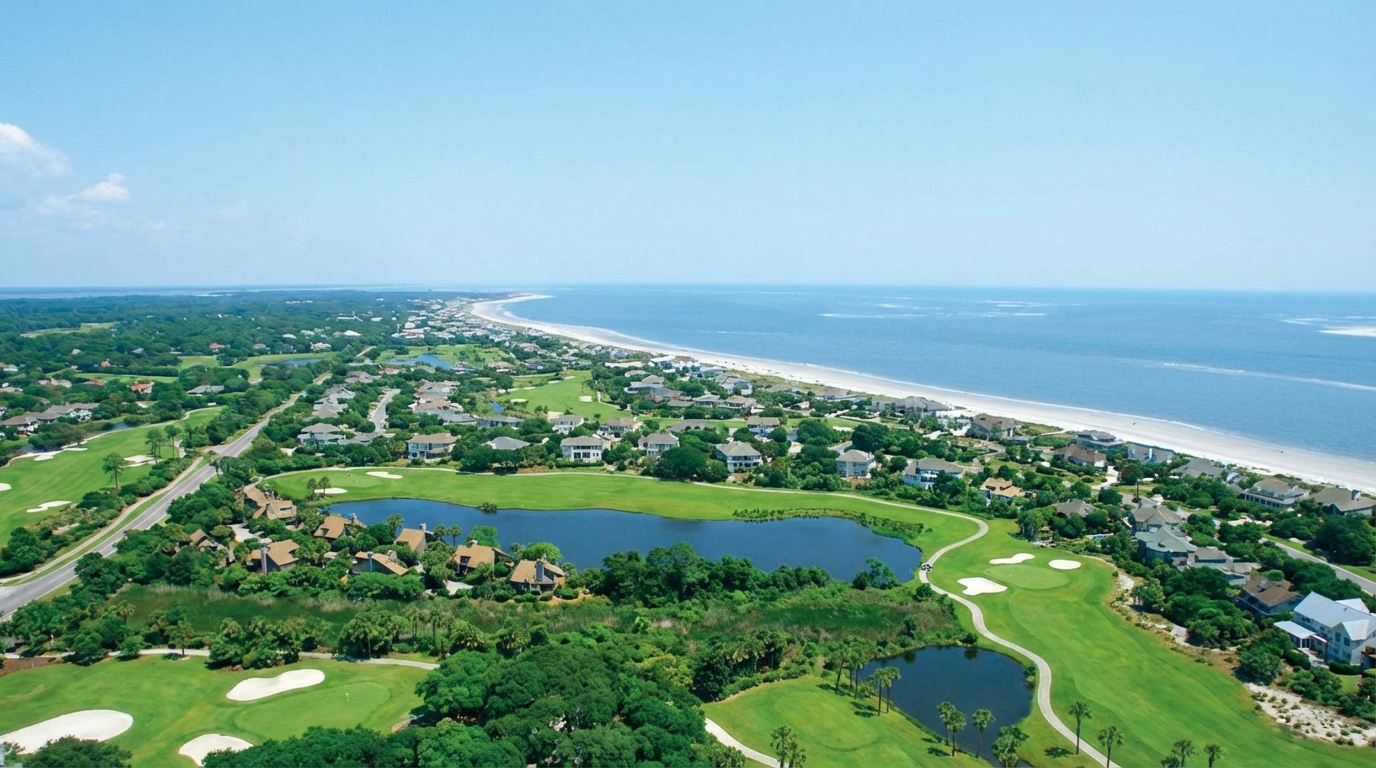
Seabrook Island offers a similar private-community structure with a slightly more relaxed feel. It is residential, gated, and amenity-driven, with golf courses, equestrian facilities, and beach access woven into daily life.
Homes here range from classic Lowcountry designs to more contemporary coastal architecture. Marshfront and golf course lots are common. Like Kiawah, Seabrook maintains architectural guidelines that influence design decisions early in the process.
For many buyers, Seabrook represents community. Neighbors know each other. Club life is active. And the pace is steady year-round.
Sullivan’s Island
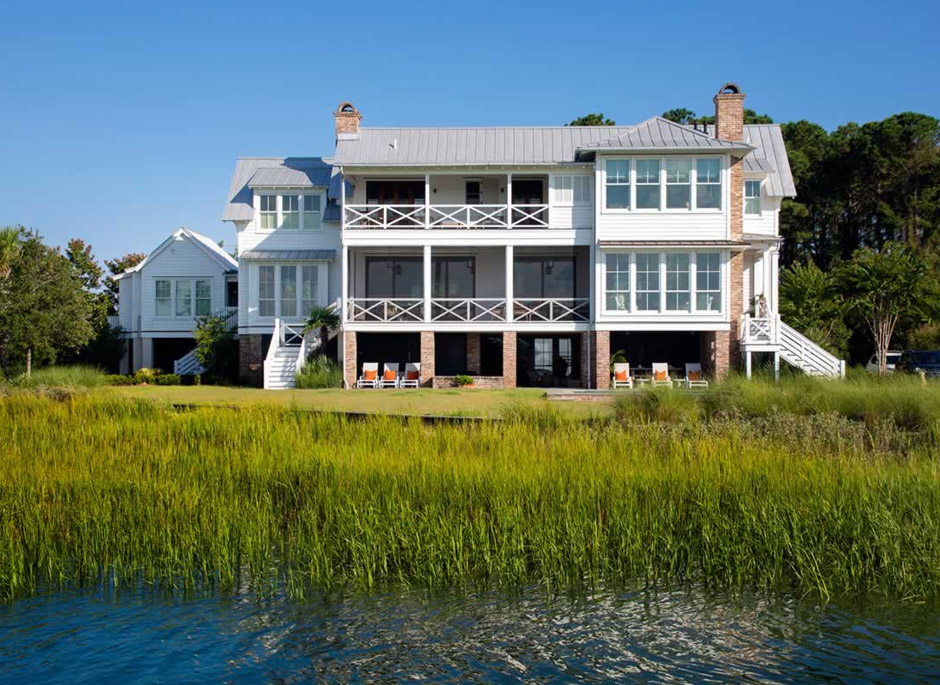
Sullivan’s Island is different. It is not gated. It does not operate like a resort. It feels more like a historic beach town with deep roots.
Located just minutes from Mount Pleasant and a short drive to downtown Charleston, Sullivan’s Island offers beachfront and elevated homes tucked into a tight residential grid. Lot sizes are typically smaller than on the southern islands, and zoning and historic considerations often shape what can be built.
For those who value walkability, local restaurants, and a strong sense of place, Sullivan’s Island delivers something distinct.
Isle of Palms
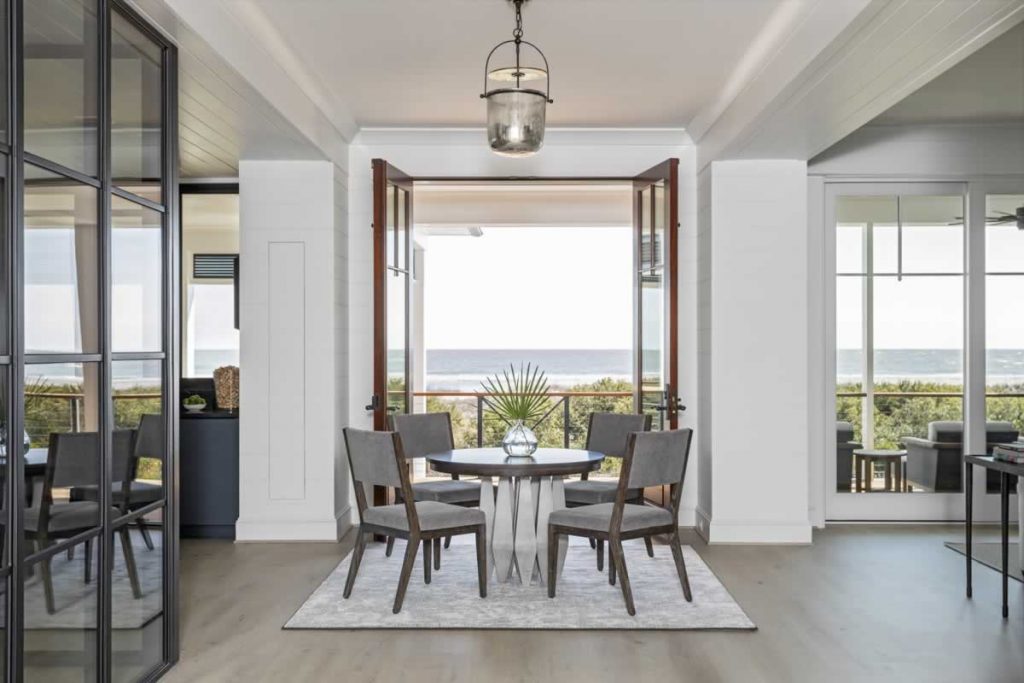
Isle of Palms blends full-time residents with vacation homes. It offers both gated communities like Wild Dunes and non-gated beachfront neighborhoods. Deepwater homes along the Intracoastal Waterway are especially sought after.
Because of its mix of primary and secondary residences, design styles vary widely. Waterfront construction often requires elevated foundations and careful planning for flood zones and coastal regulations.
For buyers seeking a balance between lifestyle, rental flexibility, and beach access, Isle of Palms remains one of the most versatile Sea Island options.
What Building on the Sea Islands Really Involves
Charleston’s Sea Islands are beautiful, but building or renovating here requires a deep knowledge of the area and coast. Marsh setbacks, FEMA flood elevations, tree surveys, HOA design reviews, and coastal permitting all influence timelines and budgets.
Soil conditions can vary from sandy beachfront to marsh-adjacent fill. That impacts foundation design. Access to utilities can differ from island to island. Even driveway placement may be dictated by environmental buffers.
This is where experience matters. Understanding how to navigate architectural review boards, interpret flood maps, and design for wind exposure is not optional. It is foundational to protecting both the investment and the finished home.
Choosing the Right Island for You
Each Sea Island offers something slightly different:
- Privacy and polish on Kiawah
- Community-driven living on Seabrook
- Flexibility and growth on Johns Island
- Historic charm on Sullivan’s Island
- Versatility on Isle of Palms
The right choice depends on how you want to live. Do you want gated privacy or open community? Large acreage or walkable streets? Resort amenities or a classic beach town atmosphere?
For homeowners considering a custom build, taking time to understand each island before purchasing land is one of the smartest first steps. A well-chosen homesite makes everything that follows stronger, from architectural concept to long-term value.
If you are exploring building on one of Charleston’s Sea Islands, the opportunity is exceptional. The key is approaching it with clarity, local insight, and a plan built for the coast.