
Elevation, Flood Zones, and Coastal Building in Charleston: What Homeowners Need to Know
If you’re considering building and searching for a custom home builder in Charleston, there’s a good chance the topic of flood zones will come up early in the process. For many homeowners relocating from other parts of the country, that can sound more intimidating than it really is.
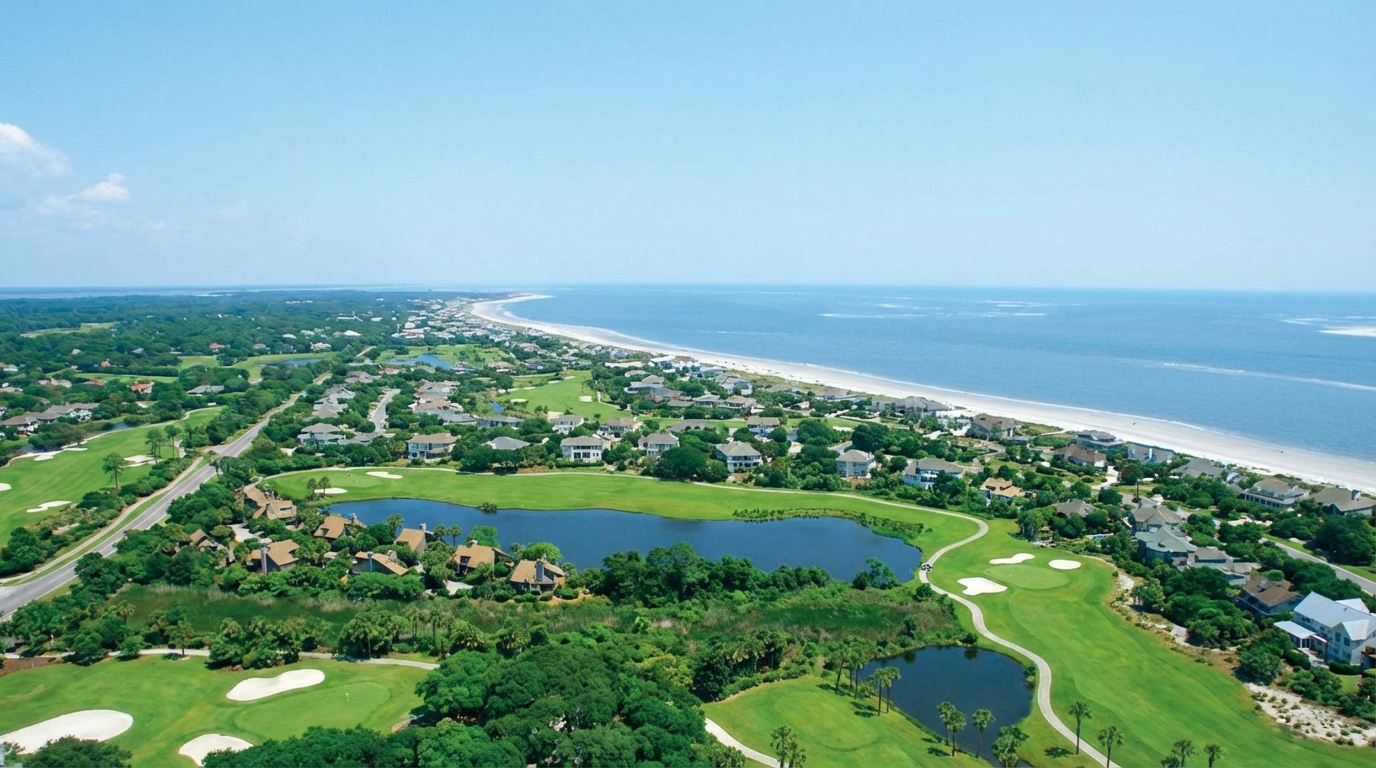
In Charleston, building near water is part of the landscape. Some of the area’s most desirable places to live, Mount Pleasant, Daniel Island, Kiawah River, and the Sea Islands, are shaped by marshes, tidal creeks, and waterfront views. Those environments are a big part of what draws people here in the first place.
Working with an experienced custom home builder Charleston means understanding how to design thoughtfully for those conditions from the beginning, rather than treating them as obstacles.
At Structures | Alair, these conversations are part of the normal planning process. Building in the Lowcountry comes with a different set of considerations than building inland, but it also creates opportunities for homes that feel more connected to their surroundings in order to take advantage of how life was meant to be lived in Charleston
Building Near Water Is a Great Part of Lowcountry Living
Much of Charleston’s character comes from its relationship to the water. Marsh views, riverfront homesites, and coastal breezes are woven into daily life here.
Because of that, many homesites throughout the area fall within FEMA flood zones. For homeowners unfamiliar with coastal construction, the term itself can sometimes create unnecessary concern.
In practice, these designations are simply part of how homes are planned and built responsibly in a coastal environment. They help determine things like elevation requirements and foundation design, but they do not mean a property is unsuitable for building.
In fact, many of the Charleston area’s most beautiful custom homes are located in flood zones. The key is approaching the homesite with the right planning, engineering, and design strategy from the start.
Elevation Often Improves the Home, Not Just the Structure
One of the most noticeable differences in coastal architecture is elevation.
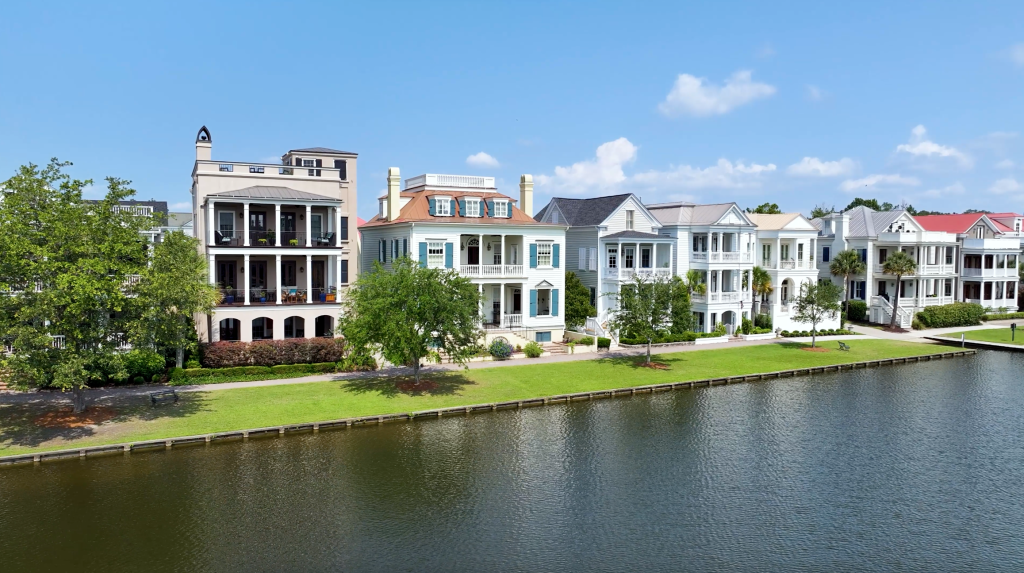
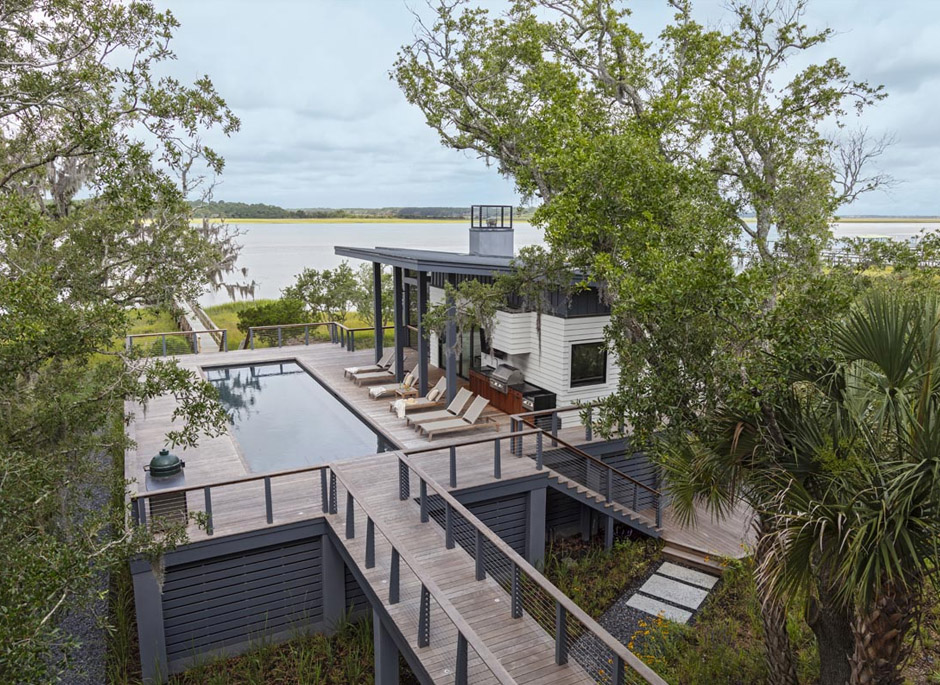
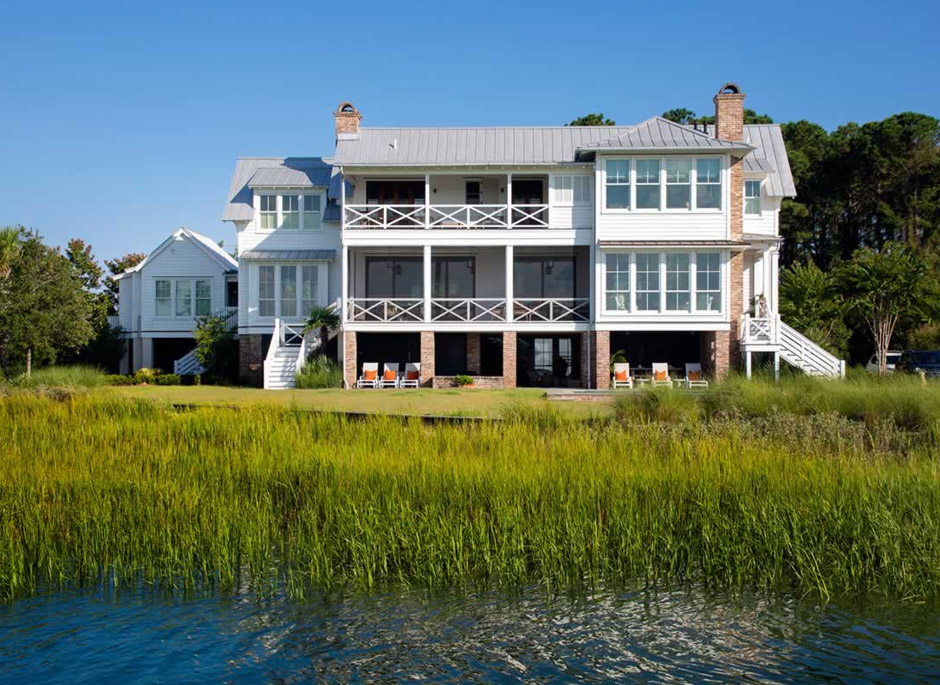
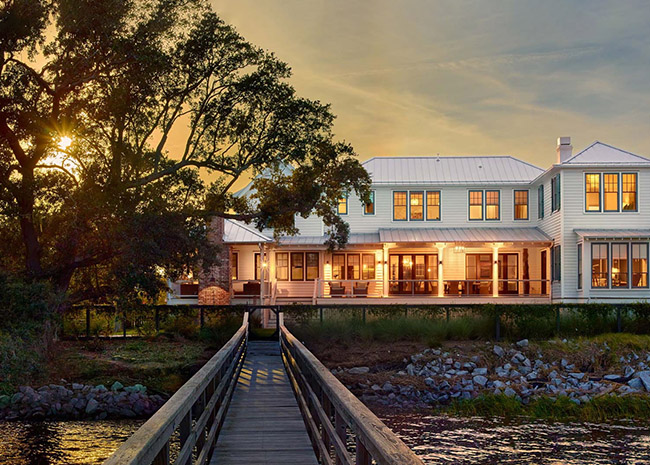
In some parts of Charleston, homes are raised above grade to meet local requirements and improve long-term resilience. But over time, elevated construction has also become part of the architectural character of the Lowcountry.
Done well, it rarely feels like a compromise.
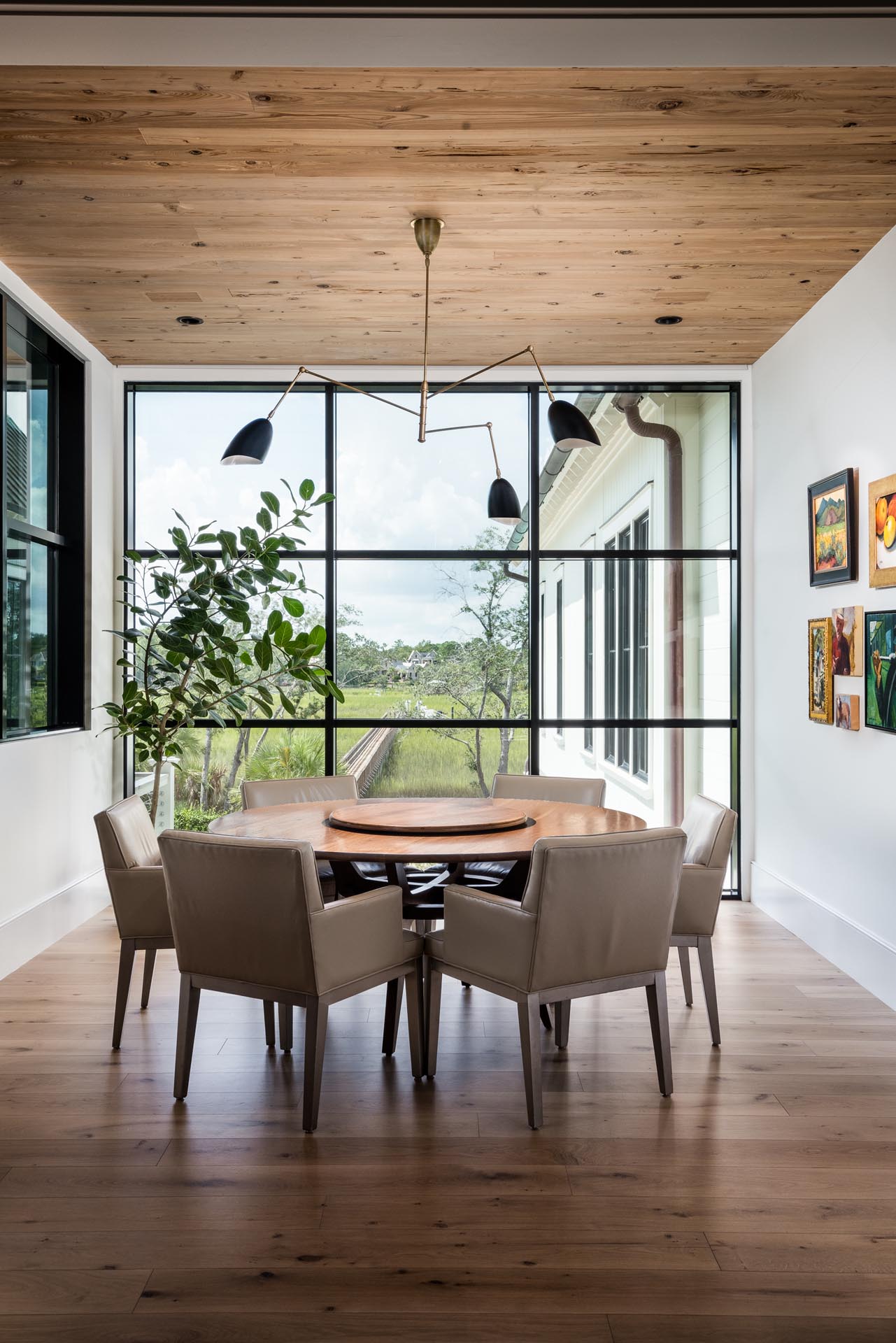
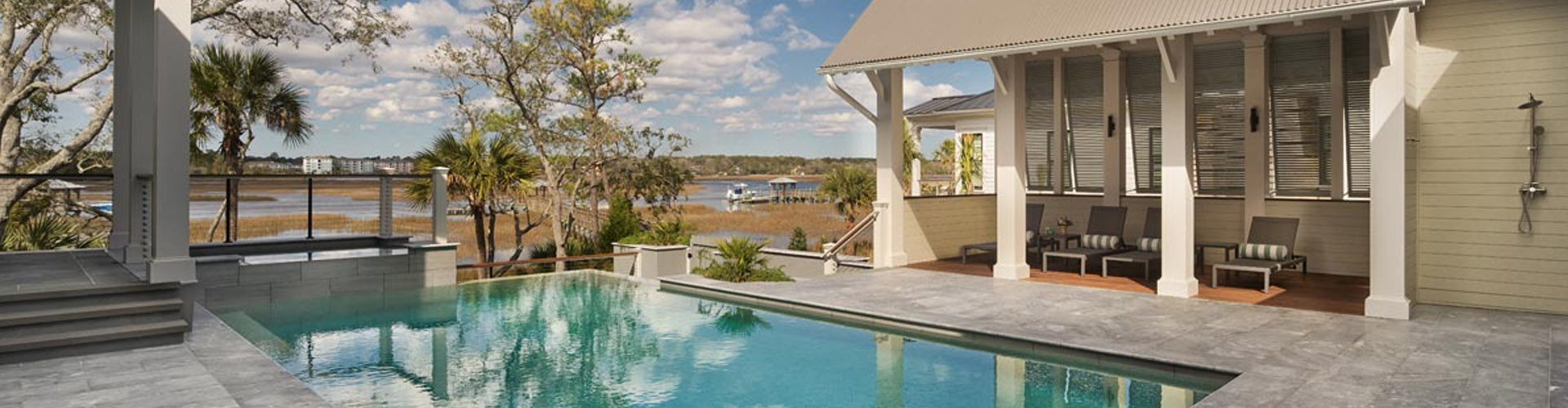
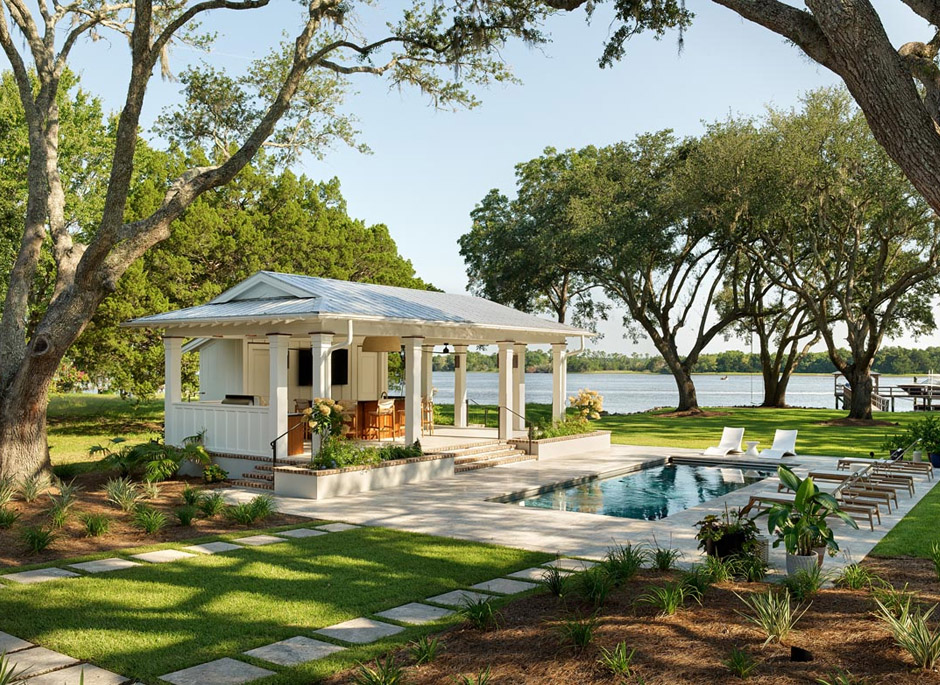
Elevated homes often create opportunities for better views, stronger indoor-outdoor connections, and more functional outdoor living spaces beneath the home itself. Porches tend to capture breezes more effectively, and the additional height can create a stronger relationship to the surrounding marsh or water.
Many homeowners come into the process thinking elevation is purely technical. In reality, it often becomes one of the defining design features of the home.
Coastal Conditions Shape Material Decisions
Charleston’s climate naturally influences how homes should be built over time.
Humidity, salt air, sun exposure, and seasonal storms all play a role in determining which materials and systems perform best in this environment. An experienced custom home builder in Charleston understands how to account for those conditions without making the home feel overly engineered or overly coastal.
A lot of the work happens quietly behind the scenes. It’s about selecting materials that age well, designing assemblies that manage moisture properly, and creating homes that feel durable while still remaining comfortable.
The goal is to simply to build in a way that makes sense for where the home is located. At Structures | Alair, all of our remodels, renovations, and home builds are grounded in building science. Doing so allows us to bring a client’s vision to life while optimizing for high-performance and low-maintenance; factors that are typically a priority when building on the coast.
Every Homesite Is Different
One of the things that surprises many homeowners is how much conditions can vary across the Charleston area.
A homesite on Daniel Island may involve a very different set of considerations than a marshfront property at Kiawah River or an infill lot in Mount Pleasant. Some neighborhoods place greater emphasis on architectural review and streetscape consistency, while others are more shaped by environmental conditions and views.
That’s why early planning matters so much.
Before design begins, it’s important to understand how the lot itself may influence the home, not just aesthetically, but practically. Orientation, drainage, setbacks, elevation requirements, and even how outdoor spaces connect to the property all become part of the conversation.
This is where local experience becomes especially valuable. A builder familiar with Charleston’s different communities can help homeowners evaluate these factors early and avoid surprises later in the process.
Why Early Builder Involvement Matters
One of the biggest advantages homeowners can give themselves is involving the builder early.
In coastal environments especially, the best projects tend to happen when the builder, architect, and homeowner are aligned from the beginning. Conversations around elevation, site conditions, layout, and budget are much easier to navigate before plans are finalized.
At Structures | Alair, preconstruction planning is a major part of the process. We often work with homeowners before they even purchase a lot, helping them understand how a homesite may shape the design, timeline, and overall investment.
That early collaboration usually leads to a smoother experience overall. It allows the project team to make informed decisions upfront instead of reacting to challenges later during construction.
Building Responsibly Without Losing the Vision
There’s sometimes a misconception that designing for coastal conditions limits creativity or comfort. In reality, some of the Charleston area’s most timeless homes are the result of thoughtful responses to the environment around them.
Homes designed for the Lowcountry often feel more connected to nature because of those considerations, not despite them. Large porches, elevated living spaces, expansive windows, and strong indoor-outdoor relationships all grow naturally from the setting itself.
When approached the right way, coastal building requirements become part of what gives these homes their character.
Building a Custom Home in Charleston
For homeowners considering a move to the Charleston area, flood zones and elevation requirements are simply part of understanding how homes are built along the coast. They’re not unusual, and they’re certainly not barriers to creating a beautiful home.
The process benefits from thoughtful planning and a team that understands how to navigate it.Working with an experienced custom home builder Charleston means having guidance early, clear communication throughout the process, and a home designed specifically for both the setting and the way you want to live.
Download Our Charleston Custom Home Planning Guide
There’s a lot that goes into building a custom home in Charleston, from selecting the right homesite to understanding timelines, approvals, and coastal considerations.
Our planning guide walks through the process in more detail and helps homeowners prepare for what to expect before construction begins.
Download the guide for a comprehensive look at building custom in Charleston.