
How to Choose a Custom Home Builder in Charleston (2026 Guide)
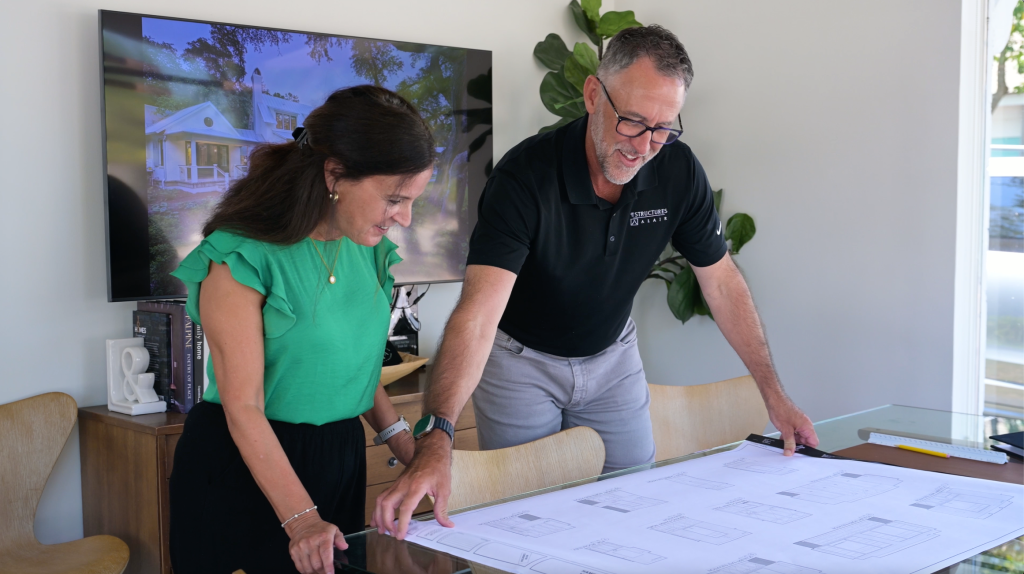
Building a custom home is one of the most significant investments many people will ever make. In a place like Charleston, where homes are shaped by historic architecture, coastal conditions, and highly regulated neighborhoods, choosing the right builder matters even more.
Many people start the process by looking at photos of finished homes. While craftsmanship and design are important, they’re just one piece of the puzzle. The right builder should bring organization, transparency, and expertise that guide the project from the first conversation through move-in day.
If you’re researching how to choose a custom home builder in Charleston, start here.
Look for a Builder Who Understands Charleston
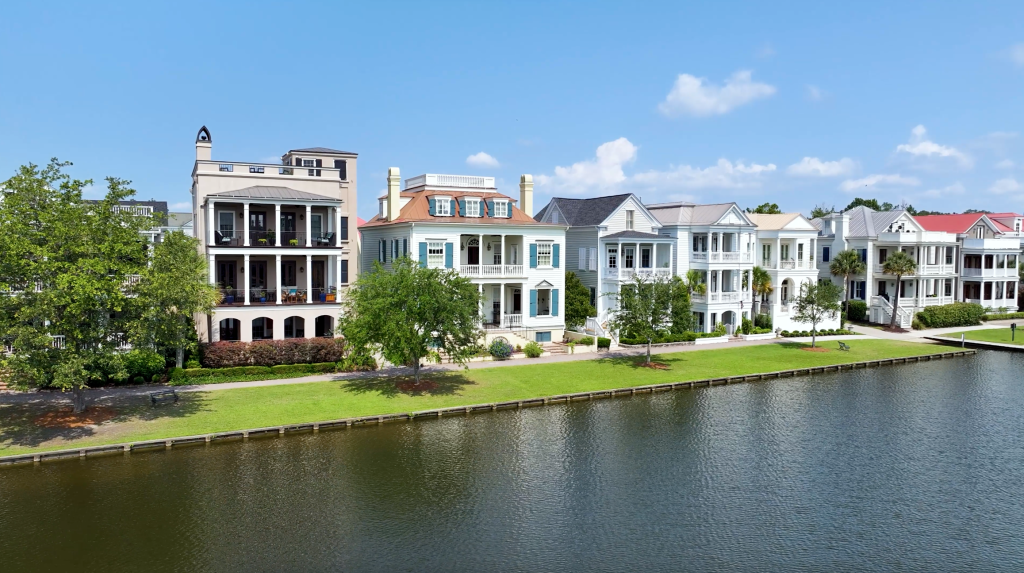
This one might seem obvious, but a builder who knows the ins and outs of Charleston and the surrounding area is essential for running a smooth and successful project. Charleston has a unique building environment. Flood zones, coastal engineering, historic preservation guidelines, and neighborhood architectural review boards can all influence a project.
A builder with deep local experience will understand:
- Flood elevation requirements and foundation strategies
- Historic district regulations
- HOA and ARB approval processes
- Coastal climate considerations such as humidity and wind exposure
Without this expertise, delays and unexpected costs can add up quickly. Builders who regularly work in Charleston neighborhoods such as Mount Pleasant, Daniel Island, Kiawah River or Kiawah Island will already understand these requirements and how to navigate them efficiently.
Evaluate Their Process, Not Just Their Portfolio
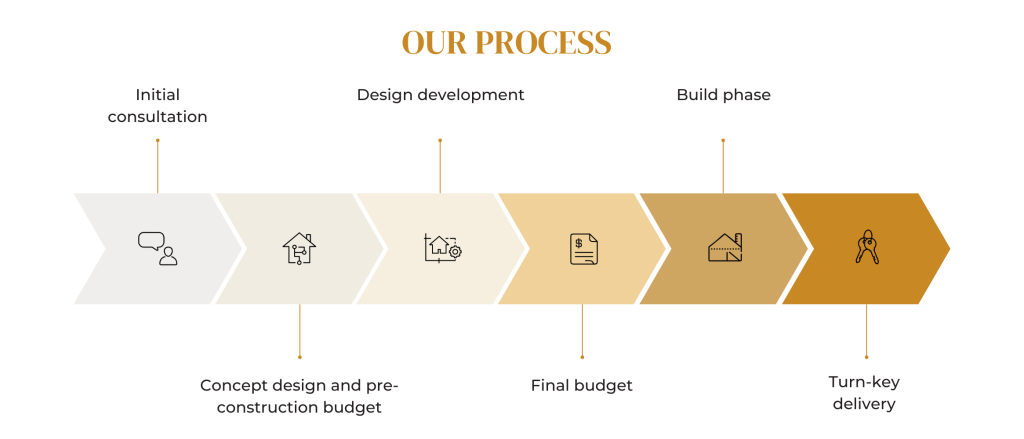
Crafting a livable and beautiful homes is the end goal, but the process behind the project is what determines whether the experience is smooth or stressful.
Ask a builder to walk you through their approach from the earliest planning stages to final completion.
Important questions to ask include:
- How do you handle budgeting during the design phase?
- What systems are used to track project progress?
- How do clients stay informed throughout construction?
- Will I have a dedicated project manager to work with?
An organized builder should have clear answers to these questions and be able to show examples of how they manage projects day-to-day.
Many successful custom builds rely on a structured process that keeps the architect, homeowner, and builder aligned throughout the project.
Good Builders Get Involved Early
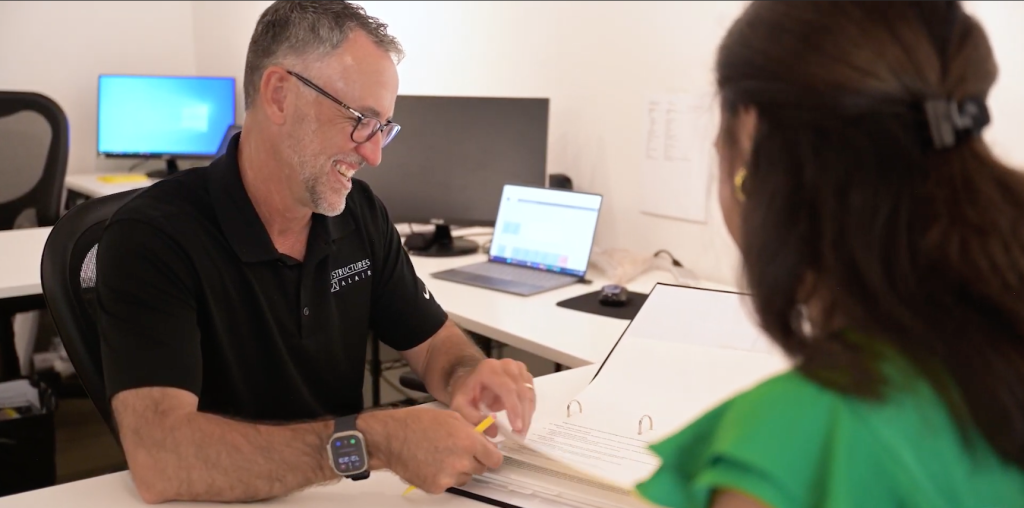
One sign of an experienced custom home builder is a desire to be involved early in the planning and design process.
Some homeowners wait to bring in a builder until after architectural plans are complete. While that approach can work, it often limits the opportunity to align the design, budget, and construction strategy from the start.
Builders who participate early can help:
- Establish realistic construction budgets before plans are finalized
- Identify design decisions that significantly impact cost
- Provide guidance on materials and construction methods
- Coordinate with architects and designers to avoid buildability issues
Early collaboration often leads to a smoother project because expectations are aligned before construction begins. It also reduces the likelihood of major revisions later in the process.
For many homeowners, having the builder as part of the team from the beginning creates a more integrated experience where everyone works toward the same goals.
Pay Attention to Budget Transparency
Custom homes are highly personalized, which means costs can vary widely depending on design decisions, materials, and site conditions.
A good builder should help you understand:
- Which design decisions drive the most cost
- How to maintain a realistic budget during design
- Where flexibility exists if priorities change
Builders who address budgeting early often help clients avoid difficult tradeoffs later in the project.
Look for a builder who focuses on proactive planning rather than reacting to surprises during construction.
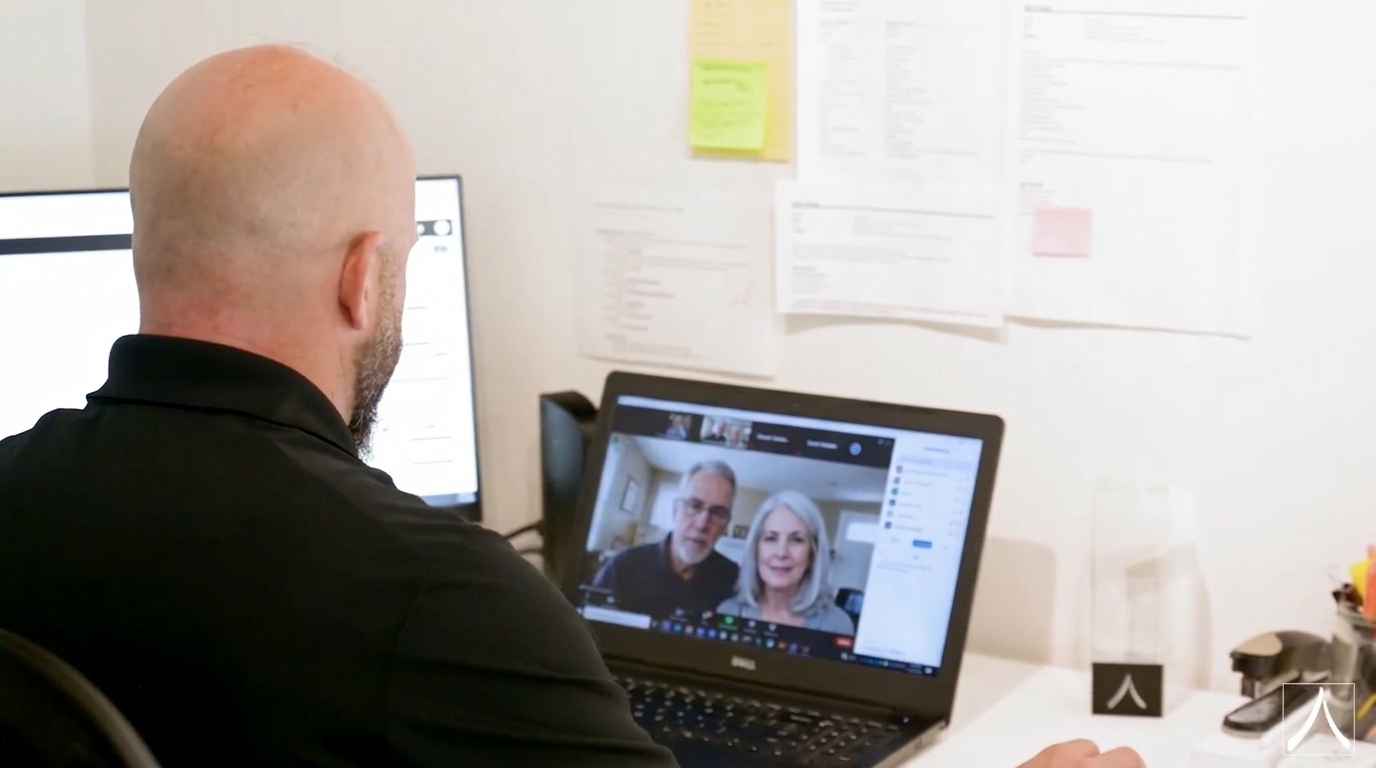
Ask About Communication and Client Involvement
Custom homes require hundreds of decisions along the way. Clear communication makes those decisions easier.
Ask how the builder handles:
- Weekly or regular project updates
- Change orders
- Design selections and approvals
- Coordination with architects and designers
Many modern builders use digital platforms that allow homeowners to track schedules, selections, and progress in real time. This level of transparency helps clients stay engaged without feeling overwhelmed.
Talk to Past Clients
One of the best ways to evaluate a builder is to speak directly with people who have worked with them.
When asking for references, try to understand the full experience:
- Was the project completed on schedule?
- How were unexpected challenges handled?
- Did communication remain consistent throughout the build?
- Would they work with the builder again?
Past clients can often provide insight into how a builder performs when things don’t go perfectly, and they should! Navigating challenges and pivots is an important part of any construction project, and your references should be able to speak to how the builder dealt with problems along the way. That alone can be a major influence in your decision of who is the right partner for you.
Look for a Collaborative Mindset
The most successful custom homes are built through strong collaboration between the homeowner, architect, designer, and builder.
Builders who work closely with design professionals often help guide decisions that improve both the home’s design and buildability.
Instead of simply executing plans, the best builders contribute insights about construction methods, materials, and long-term performance. Others go a step further and can work with your realtor to make recommendations and suggestions on neighborhoods to consider and lot selection.
That collaboration often leads to a home that not only looks beautiful but also functions better over time.
Consider Long-Term Support
A custom home is not just about the day construction ends. It’s about how the home performs in the years that follow.
Ask about:
- Warranty coverage
- Post-construction support
- Systems for handling service requests
Builders who prioritize long-term relationships with their clients tend to place more emphasis on quality and craftsmanship during the build.
Choosing the Right Custom Home Builder in Charleston
When researching how to choose a custom home builder in Charleston, the decision often comes down to trust, organization, and experience.
A strong builder will bring more than construction expertise. They will guide the entire process, help you make informed decisions, and ensure that the experience of building your home is as rewarding as the finished result.
Taking the time to ask thoughtful questions and understand how a builder approaches their work can make all the difference.
For many homeowners, the right builder becomes a trusted partner throughout the journey of creating a home designed specifically for the way they live.