
Why Two Custom Homes of the Same Size Can Cost Very Different Amounts
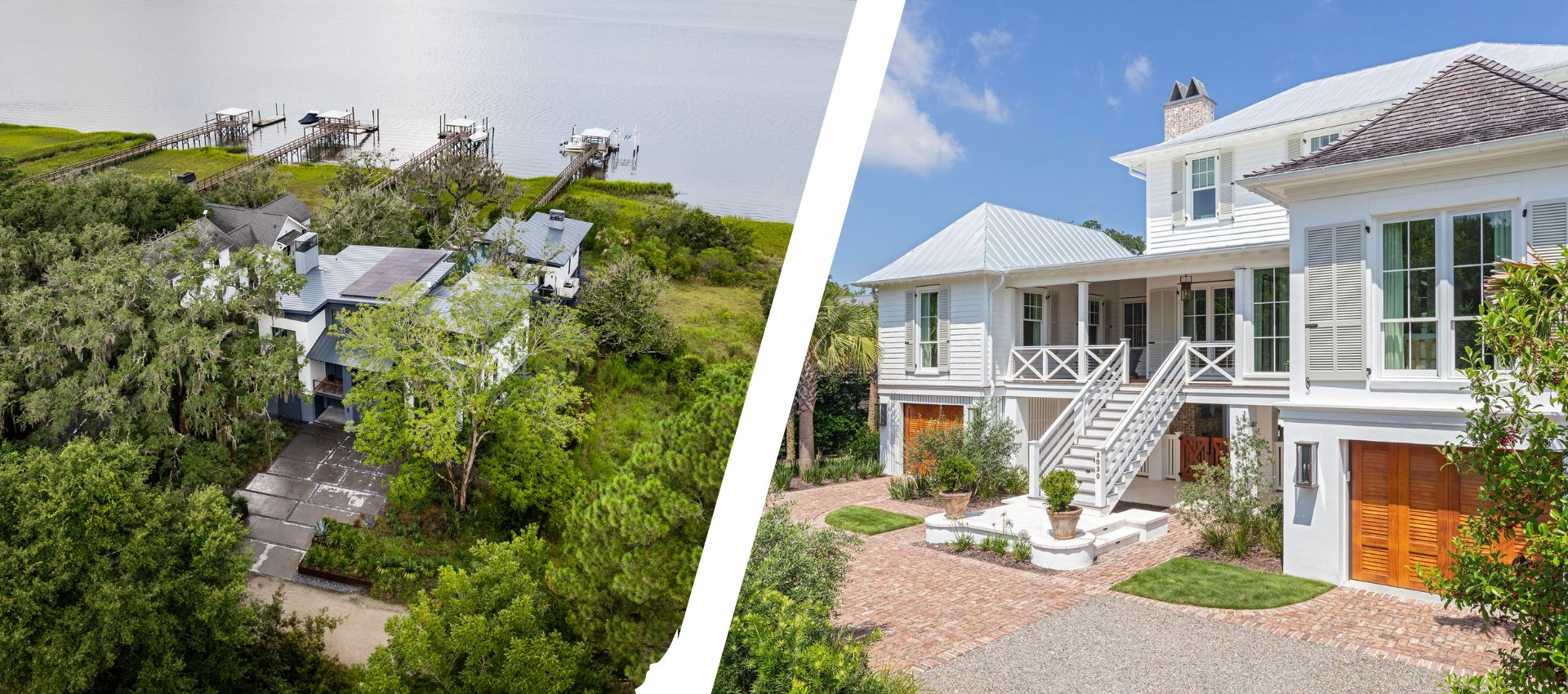
One of the most common questions we hear early in the custom home process sounds simple on the surface: “How much does a custom home cost per square foot?”
Square footage is easy to understand, which is why it gets so much attention. But in reality, it’s far from the only factor that determines cost. Two homes with the same footprint can end up with very different budgets, even when they’re built in the same market.
That’s especially true in and around Charleston, where site conditions, design requirements, and review processes can vary significantly from one neighborhood to the next. Plus, the nature building custom. When no two houses, features, and material choices are exactly alike, budgets will vary.
Here’s why.
Square Footage Is Only the Starting Point
Size matters, but it’s just one input. Cost is driven by a combination of design decisions, site conditions, materials, and timing. When those variables change, the budget changes with them.
Understanding what actually drives cost is the best way to plan realistically and avoid surprises later.
Site Conditions and Location
Where a home is built often has a bigger impact on cost than how big it is.
In the Charleston area, conditions can shift quickly from one location to another. A home built in Mount Pleasant may face very different considerations than one on Sullivan’s Island or in communities like Kiawah River. Waterfront and marshfront lots often require elevated foundations, specialized engineering, and additional coordination related to floodplain requirements.
Even within the same town, lots can differ substantially. Soil conditions, drainage requirements, access limitations, and architectural review boards all influence how a home is designed and built. Those factors shape cost long before finishes are selected.
Structural and Architectural Complexity
A simple, efficient layout is typically more cost-effective than a highly articulated design, even at the same square footage.
Rooflines with multiple pitches, expansive spans of glass, cantilevers, and complex framing details all increase labor and material requirements. Ceiling heights, stair design, and structural transitions also play a role.
For example, a clean, restrained design on a Mount Pleasant homesite may carry a very different construction cost than a similarly sized but more intricate home on Sullivan’s Island, even if both homes offer comparable interior square footage.
Neither approach is right or wrong. They simply carry different cost implications on the custom home cost per square foot.
Finish Level and Interior Detail
This is where costs often begin to separate more noticeably.
Custom cabinetry, detailed millwork, specialty flooring, and tailored trim packages add character and refinement. They also require skilled labor and additional time. Window and door systems can vary widely in price depending on size, material, performance requirements, and exposure.
Two homes of the same size on Daniel Island can feel entirely different based on finish level alone. One may lean toward simplicity and restraint. Another may prioritize layered detail and custom elements throughout. Both are valid choices, but they do not land in the same budget range.
Mechanical Systems and Performance Goals
Behind the walls, systems have a meaningful impact on cost.
Zoned HVAC, enhanced insulation strategies, advanced ventilation, and integrated smart home infrastructure all add comfort and long-term value. They also add coordination and upfront investment.
In coastal environments like Charleston and the surrounding barrier islands, durability and performance are often a priority. Designing for high-performance and longevity in these settings can influence both system selection and overall budget.
Outdoor Living and Site Work
Outdoor spaces are often thought of separately from the home, but they are very much part of the total cost.
Pools, porches, outdoor kitchens, and hardscape require structural support, utilities, and careful detailing. Site work such as grading, drainage, and retaining walls can be substantial, particularly on waterfront or marsh-adjacent properties in places like Sullivan’s Island or along Kiawah Island.
Two homes may share the same interior square footage, but one may include extensive outdoor living areas while the other does not. That difference alone can shift the overall budget considerably.
Timing and Decision-Making
When decisions are made can be just as important as what those decisions are.
Early selections allow materials to be sourced efficiently and priced accurately. Late changes often introduce redesign, reordering, and schedule impacts. Long-lead items such as windows, doors, and custom cabinetry can influence both cost and timeline if they are not addressed early.
A thoughtful preconstruction phase helps align expectations and reduces unnecessary cost pressure later in the process.
Putting It All Together
Square footage provides a rough frame of reference, but it does not tell the full story. Cost is shaped by how a home is designed, where it sits, how it’s built, and the level of detail throughout.
That’s why two custom homes of the same size in Charleston, Mount Pleasant, Kiawah River, or Sullivan’s Island can land in very different budget ranges.
If you’re looking for Charleston-specific context and a broader view of how these factors come together, our post on how much a custom home costs walks through the process in more detail and explains how to approach budgeting early.
And if you’re trying to understand how these variables apply to a specific lot or neighborhood, we’re always happy to talk through it and help bring clarity to the planning process.